Solar Equipment Installation: Upkeep Tips After Photovoltaic Panel Installation
Solar Electric Panels: Top-Quality Solar Modules Offer Efficient And Reliable Energy Solutions For Your Home
Types of Solar Panels: Browsing Your Finest Option
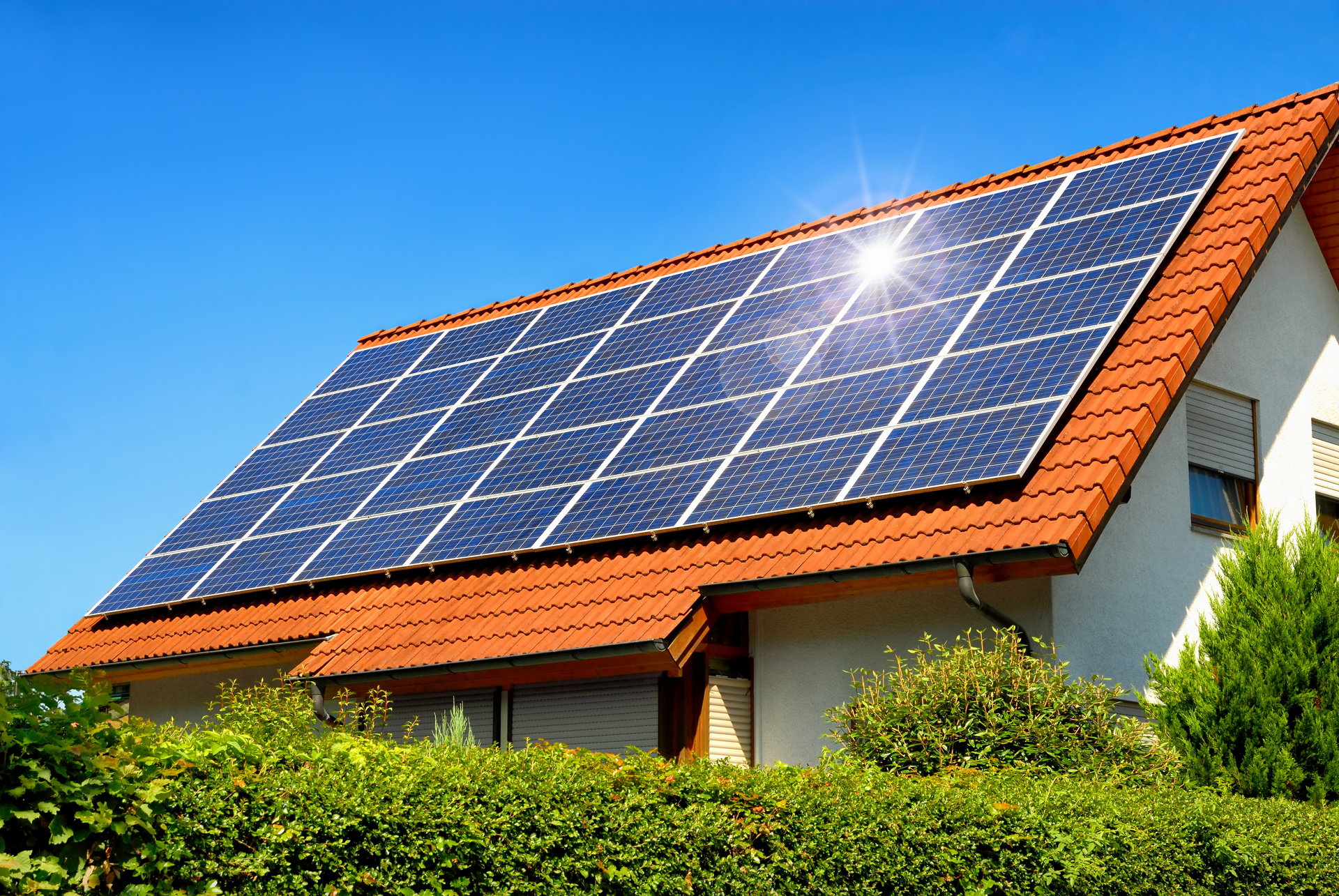
When it comes to choosing the finest photovoltaic panels, understanding the types readily available resembles holding the compass before setting sail on the energy journey. Each type brings its own story, benefits, and peculiarities, much like characters in a novel. Which one will end up being the hero of your energy story?
Monocrystalline Solar Panels
Monocrystalline panels have a streamlined, dark look that frequently advises people of a smooth, sleek onyx. Their cells are made from a single crystal structure, which allows electrons to stream more freely. This equates to greater efficiency, normally varying in between 15-20%. Some property owners remember the day they installed these panels as a turning point-- the minute their roofing system started to hum with tidy energy. Beware, these panels frequently come at a premium price, requiring an upfront financial investment that some might be reluctant to make.
Polycrystalline Solar Panels
Envision a mosaic made of multiple crystal fragments-- that's the essence of polycrystalline panels. They sport a bluish shade with a speckled texture, easily appreciable from their monocrystalline cousins. Efficiency Affordable Solar Panels normally dips somewhat, sitting around 13-16%, yet they often appeal buyers with their affordability. Have you ever wondered why a slight drop in efficiency does not discourage many? It's due to the fact that the balance of expense versus performance typically suggestions in favor of these panels for many budgets.
Thin-Film Solar Panels
Thin-film panels are the chameleons of the solar world. Versatile, lightweight, and often less obvious, they can be used to surfaces where conventional panels might balk. Their effectiveness remains around 10-12%, however their special type aspect opens doors to creative installations-- believe curved roofs or even portable solar battery chargers. Their shorter life expectancy and degradation rate need thoughtful consideration. Are you all set to trade raw power for versatility?
Comparing the Types at a Glimpse
| Type | Effectiveness | Look | Cost | Best For |
|---|---|---|---|---|
| Monocrystalline | 15-20% | Uniform black | High | Max effectiveness, minimal space |
| Polycrystalline | 13-16% | Speckled blue | Moderate | Affordable, larger roofing systems |
| Thin-Film | 10-12% | Differed, flexible | Low to moderate | Flexible applications, aesthetic appeals |
Questions to Consider Before Choosing
- Just how much area do you have for setup?
- Is upfront cost or long-lasting performance your top priority?
- Would you choose a discreet look or a strong statement?
- Are versatile installation options crucial to you?
Picking the right photovoltaic panel type isn't almost numbers on a spec sheet. It has to do with picturing how the panel incorporates with your lifestyle and environment. Isn't energy freedom the supreme goal?
Deciphering Performance Scores: What Actually Matters?
Ever wondered why two photovoltaic panels with the exact same surface area can produce significantly different amounts of energy? The secret lies in their performance ratings. This figure represents just how much sunlight a panel converts into functional electrical power. Think of it as the panel's GPA in the solar world-- a greater ranking implies better performance under perfect conditions.
Here's a twist: efficiency rankings are often derived from regulated laboratory environments, not the wild outside reality. What happens when clouds roll in or dust settles? Effectiveness typically dips. That's why understanding a panel's real-world efficiency is simply as critical as its rated performance.
Elements Influencing Efficiency
- Temperature Coefficient: Solar panels do not enjoy heat. As the mercury rises, output tends to fall. Panels with a lower temperature coefficient lose less power on hot days.
- Deterioration Rate: In time, panels slowly lose efficiency. This subtle decline can sneak up on you, cutting into your anticipated energy harvest every year.
- Shading Level Of Sensitivity: Even a little shadow-- perhaps from a close-by tree or chimney-- can disproportionately decrease output. Some panels manage partial shading much better, however it's vital to prepare setup thoroughly.
Expert Tips for Maximizing Photovoltaic Panel Output
- Angle and Orientation: Tilting panels to capture the sun's course throughout the year can enhance energy capture considerably. Consider seasonal modifications for ideal gain.
- Bypass Diodes: These awesome components enable current to prevent shaded cells, lessening power loss throughout partial shading events.
- Screen Performance: Use real-time tracking systems to spot dips in output early. Often, a basic trim of a nearby branch can reclaim lost watts.
- Balance Expense and Effectiveness: Ultra-high effectiveness panels might not always provide the best roi depending upon your installation area and sunshine availability.
Performance Under the Microscope: A Quick Contrast
| Panel Type | Typical Efficiency | Temperature Level Coefficient (%/ ° C | ) Typical Destruction Rate (%/ year) |
|---|---|---|---|
| Monocrystalline | 18-22% | -0.35 | 0.5 |
| Polycrystalline | 15-17% | -0.45 | 0.7 |
| Thin-Film | 10-13% | -0.25 | 1.0 |
Is the highest efficiency constantly the very best option? Not necessarily. Think of a roofing system that battles with shade or heat. A panel with a remarkable temperature coefficient and shading tolerance might outshine a more effective however less versatile design in those conditions.
When assessing solar panels, ask yourself: How much sunshine does my area truly receive? What ecological peculiarities could dampen performance? The responses will assist you beyond the numbers and into useful, reputable solar power.
Setup Factors to consider
Have you ever based on your roof and questioned if it's really all set to host photovoltaic panels!.?.!? The truth is, setup is not just about slapping panels on any warm area. The angle and orientation can make or break your system's efficiency. Roofing systems dealing with real south normally soak up the sun best, but even east or west-facing roofing systems can perform well if the tilt and shading are optimized.
Mentioning shading, it's a tricky bane. A single overhanging branch or a neighboring chimney can cast shadows that slash output considerably. Solar innovation has actually progressed with microinverters and power optimizers to reduce shade issues, however no magic can completely compensate for bad placement.
Roof Condition & & Structure
Before installation, inspect your roofing's health. Remember the old stating, "Do not build a home on sand"? The exact same uses here. Setting up panels on a roofing system requiring replacement within the next few years is like patching a leaky boat with duct tape. Enhancing roof supports might be essential, specifically for heavier, high-efficiency panels. Roof materials matter too; metal roofings act in a different way than asphalt shingles, impacting mounting methods and costs.
Expert Tips for Ideal Setup
- Conduct a solar site analysis: Usage tools like a solar pathfinder or smart device apps to track sun direct exposure throughout the year.
- Consider roof ventilation: Panels soak up heat, however good air flow underneath can enhance performance and extend panel life.
- Strategy electrical wiring routes carefully to minimize energy loss and streamline maintenance.
- Account for snow load if you're in cooler climates; some panels and mounting systems are much better matched to withstand heavy build-up.
Stabilizing Looks and Efficiency
Photovoltaic panel aren't just practical devices; they become part of your home's shape. Some house owners fret over the "solar look," preferring streamlined, low-profile panels and even building-integrated photovoltaics (BIPV) that mix into roof tiles. But remember, the quest for beauty should not blind you to efficiency. Often the boldest positioning yields the brightest savings.
Installation Timing: When is the Finest Minute?
Timing can be everything. Installing during cooler months may seem counterintuitive, however it typically indicates faster work and less sun glare for installers. Plus, early installation gets you ahead of the summer season energy rush, maximizing your return. Nevertheless, weather condition unpredictability can toss a wrench in plans-- constantly prepare for contingencies.
| Factor | Specialist Insight | Influence on Efficiency |
|---|---|---|
| Roofing system Angle | Optimum tilt equates to latitude ± 10 ° for year-round output | Approximately 25% boost in energy |
| Shading | Get rid of or cut blockages; usage microinverters | Can reduce output by 40% or more |
| Roofing Product | Metal permits simple mounting; asphalt needs special brackets | Affects setup expense and resilience |
Environmental Impact and Sustainability of Solar Panels
Envision a world where rooftops are not just shelters however powerhouses of tidy energy. Solar panels have actually progressed beyond basic gadgets; they are a testimony to how innovation can balance with nature. Yet, the story of sustainability isn't practically producing electrical energy-- it's about the whole lifecycle of these marvels.
Have you ever questioned what happens after a solar panel's prime? The materials used-- silicon, silver, and rare earth aspects-- bring environmental weight. Mining these resources interrupts environments and consumes energy. Modern manufacturing strategies intend to lessen waste and take full advantage of performance, turning raw products into panels with a life expectancy typically going beyond 25 years.
The Hidden Layers of Sustainability
- Energy Payback Time (EPT): The period a panel requires to produce the amount of energy utilized to make it. Innovative panels boast EPTs as short as 1 to 2 years, indicating a swift return on ecological investment.
- Recyclability: Advanced photovoltaic panels are designed for easier disassembly, enabling healing of important metals. This minimizes garbage dump overflow and supports a circular economy.
- Carbon Footprint: The upfront emissions from production are overshadowed by decades of tidy energy output, tipping the scales heavily in favor of sustainability.
Think about a small farm in the Midwest that changed to solar. The owner stressed over the environmental expense of production. Within a few years, the decrease in fossil fuel reliance and the offset of greenhouse gases painted a brand-new image-- one of repair and renewal.
Professional Tips for Maximizing Environmental Advantages
- Focus on panels with high effectiveness rankings to get more power from less area, reducing product use.
- Examine the origin of parts; some makers commit to sourcing materials through ethical, sustainable practices.
- Prepare for end-of-life: Engage with recycling programs that focus on photovoltaic materials to prevent ecological leakage.
- Integrate solar with energy storage to optimize use of created tidy energy, reducing reliance on grid electrical energy.
Can solar genuinely be the remedy for energy issues? While no option is perfect, the trajectory points up. The convergence of technology, accountable sourcing, and wise disposal practices crafts a narrative where photovoltaic panels shine not simply with sunlight, however with a guarantee of a greener future.